

Pre-Season Football Checklist: Everything You Need To Know Before the First Match
Every season, the same story plays out at grassroots clubs across the country. Training starts late, you can’t find your cones for training, kit arrives later, and someone’s scrambling to register players the night before the first league match. It doesn’t have to be that way.
This pre-season checklist is built for the people who actually make clubs run: secretaries, managers, coaches and committee volunteers. The aim is simple. Get your kit, admin, training and players sorted before your first friendly, not one week before kick off.
Most UK and European leagues start competitive fixtures between mid-August and early September. That means the real work begins in June. Here at Decathlon Club, we supply custom football kit to grassroots teams across the UK and Europe, with fast lead times, affordable pricing and a focus on sustainability. We’ve seen what happens when clubs plan early, and what happens when they don’t. This guide makes sure you’re in the first camp.
Confirm Key Dates: Season Start, First Friendly and Order Deadlines
Your entire pre season schedule hangs on a few anchor dates. Lock these down first:
- League opening weekend: Check your league’s website or county FA portal as soon as fixtures drop (typically late June or early July). Mark the date.
- First friendly: Agree this at least 4-6 weeks before your league opener. If the season starts late August, your first friendly should be mid-July at the latest.
- Kit order deadline: Place your order 6-8 weeks before the first friendly. Kit suppliers get swamped in August, and they’re right. Decathlon Club can deliver in 5-6 weeks, but earlier is always safer.
- Training start date: Aim for week one of July if your first friendly is mid-month. Build in at least 2-3 sessions before anyone plays a match.
Create a shared calendar, whether that’s Google Calendar, a WhatsApp group pinned message, or both. Include training nights, fitness testing, friendlies, registration deadlines and kit fitting sessions. For university and school teams, plan around exam periods and term dates so you don’t lose half the squad to revision.
Sort Your Custom Kit: Home, Away, GK and Spares
Kit decisions should be locked in before pre season training begins, not during it. Here’s what every team needs ready by the first friendly:
- Home strip: Shirt, shorts and socks in your club’s primary colours.
- Away or clash strip: A contrasting colour set for when you clash with the opposition or the referee.
- Goalkeeper kit: At least one full GK strip in a colour distinct from both outfield kits.
- Spare shirts: For a squad of 16 players, order at least 18-20 shirts to cover late signings, size swaps and replacements.
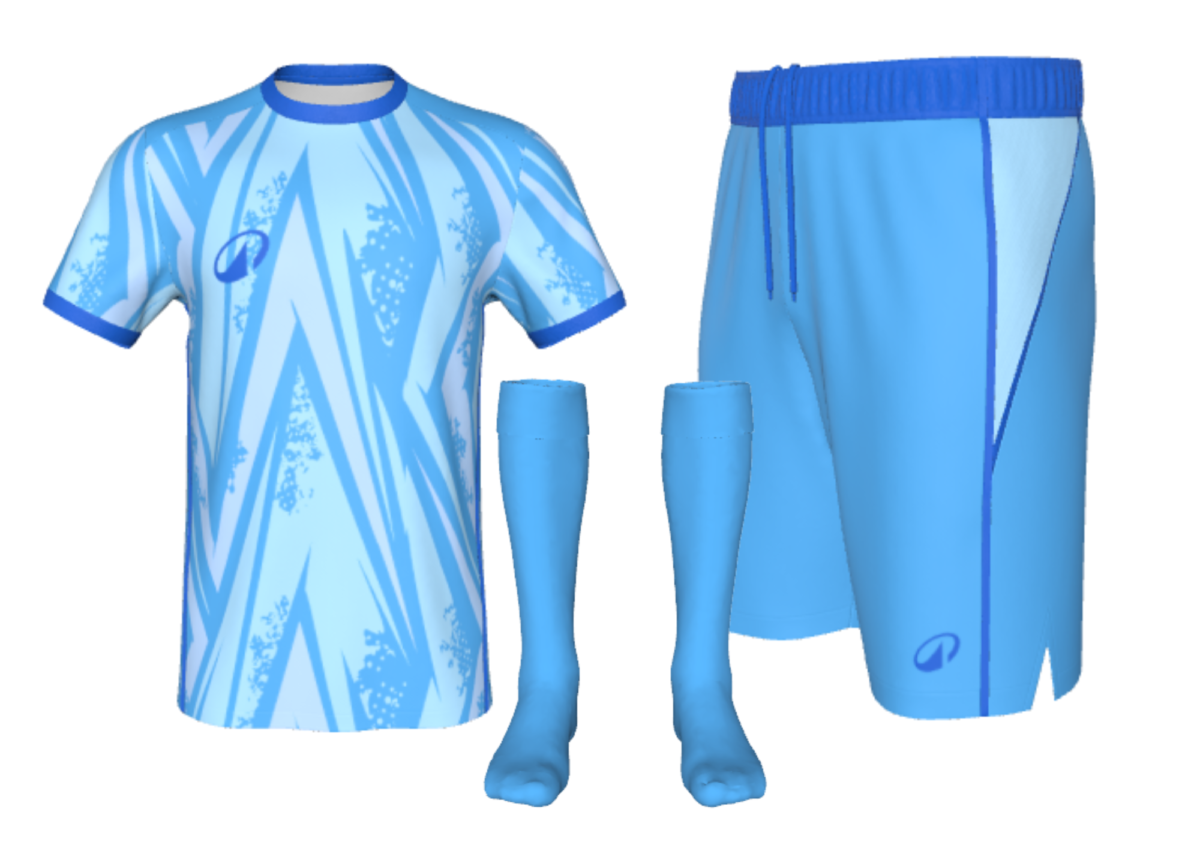
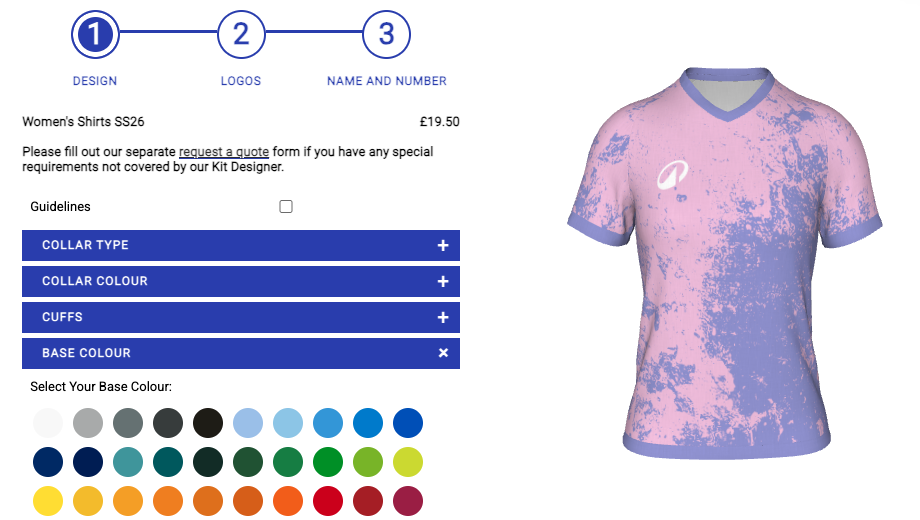
Before finalising any design, check your league’s rules on shirt numbering and sponsor logo sizes. Use Decathlon Club’s Kit Designer in June to lock in colours, sponsor logos and numbers. You can preview the full design, request a quote and approve artwork within a week. We offer inclusive size ranges across youth, adult and women’s fits, so every player gets the right equipment for their build.
Appoint one kit officer to handle measuring, collating sizes and approving the final order. One person, one decision chain, no confusion. And start the process as soon as fixtures are announced, not after the first training session.

Training Wear and Pre-Season Essentials
Equally important to your match strip is what your squad wears to every training session. Dedicated, custom training wear protects the match kit from unnecessary wear and keeps the team looking organised from day one.
Core items to order:
- Training tops, shorts and socks in club colours
- Base layers for cooler evenings
- Rain jackets and midlayers for those classic August showers
- Tracksuit bottoms for warm-ups and cool-downs
In July heat, lightweight moisture-wicking fabrics make a real difference. By mid-August, you’ll want waterproofs ready. Adding squad numbers or initials to training tops reduces lost gear and helps coaches learn names quickly when new players join.
Coaches should also invest in branded coaching gear: polos, jackets and caps that stand out on the touchline. It strengthens club identity, especially at tournaments. Decathlon Club can bundle custom training kits with match kit orders, matching designs and simplifying things for clubs running multiple age groups.
Right Equipment: Balls, Bibs, Goals and Matchday Gear
Kit is only half the story. A proper equipment check in June saves headaches in September.
Training equipment to inspect and replace:
- Match balls (correct size and panel type for your age group) and training balls
- Flat cones, marker discs, agility ladders and poles
- Bibs in at least two colours
- Ball pumps, needle adapters and ball bags
Matchday gear:
- Corner flags, respect barriers, substitution boards
- Whistles, stopwatches and a first-aid kit
- Full sets of nets and pegs for each pitch
Standardise ball inflation and quality across training and friendlies. Players who train with worn, deflated balls and then play with a proper match ball on a Saturday will feel the difference, and not in a good way.
Check your changing rooms too. Spare pegs, kit hangers, laundry baskets and lockable storage for valuables all matter. And don’t overlook footwear: proper stud types matched to the surface (firm ground vs artificial) reduce ankle and knee issues. This isn’t American football where you need shoulder pads or a helmet, but correctly sized shin pads and appropriate cleats are non-negotiable for injury prevention.
Injury Prevention and Player Screening
Pre season is when you protect your squad for the months ahead, not patch them up in September. Research from the British Journal of Sports Medicine found that 17% of all professional football injuries occur during pre-season, with thigh, knee and ankle injuries most common. Grassroots teams face similar patterns.
Before the first session:
- Collect basic health information from every player: existing conditions, previous serious injuries, emergency contacts.
- For youth teams, get signed consent from parents or guardians.
Build an injury prevention plan into every session:
- Dynamic warm-ups before every session (no static stretching cold)
- Structured cool-downs and recovery protocols
- Gradual loading over weeks 1-3, increasing intensity steadily
Staple exercises to include:
- Nordic curls and hamstring strengthening to protect legs
- Calf raises and ankle mobility work
- Core stability drills and glute activation
- Resistance bands for hip and knee conditioning
Keep a current first-aid kit and cold packs at every training ground and on matchday. Restock before July. And encourage open communication: players should report niggles early, and no one should feel stress about sitting out a pre-season session. Rest days matter.
Mental Preparation, Culture and Expectations
A new season is a reset. Use it. Mental preparation starts before anyone touches a ball.
- Hold a pre-season meeting (in person or online) to outline team goals, code of conduct, attendance expectations and playing philosophy. Do this before or during week one of training.
- Set standards early around punctuality, communication in group chats, and respect toward referees and opponents. These practices define your culture more than any result.
- Simple mental tools: Encourage individual goal-setting, whether that’s minutes played, fitness targets, or consistency at training. After friendlies, review game footage together and reflect on what worked.
- Leadership group: Give your captain and senior players a role in welcoming new faces, managing cliques and supporting younger squad members.
For youth teams, involve parents from the beginning. Clarify sideline behaviour, transport duties and communication channels before anyone gets frustrated on a cold Friday night in October. A pre-season parents’ evening saves a season’s worth of headaches.
And here’s something clubs overlook: arriving at pre-season friendlies in coordinated teamwear, matching training tops, tracksuits, the lot, builds pride and professionalism. It tells the opposition you’re prepared and tells your own players they belong to something worth turning up for.
Admin, Registrations and Compliance
Miss a deadline here and nothing else on this checklist matters. These are the non-negotiable tasks:
- League registration: Register your team with the league and affiliate with your county FA or national association. These windows often close by early July, and the online systems slow down as deadlines approach.
- Player registration: Complete registration forms or online entries for every player. For youth teams, this includes identity checks and signed parental consent.
- Safeguarding: Ensure all coaches have current DBS/background checks. Confirm you have a qualified first-aider. Log emergency contact details in a secure, accessible system.
- Pitch and facilities: Sign contracts for pitch hire from July through to April. Confirm training timeslots and understand cancellation policies.
- Season budget: Prepare a basic budget covering kit, training wear, equipment, referee fees, pitch hire and tournament entries. Set payment deadlines for player subs early to avoid cash flow gaps.
Ordering kit and teamwear from a single supplier like Decathlon Club simplifies invoicing and record-keeping for your treasurer. One partner, one purchase order, one point of contact.
Funding, Sponsorship and Club Merchandise
Kit costs money. Here’s how to offset it:
- Approach sponsors early: Contact local businesses and parents’ companies by late spring. If you wait until July, their marketing budgets may already be committed, and you won’t have time to integrate logos into your kit design. You can also use Kit Funder and get matched with a local business to supply your team with free kit.
- Build a simple proposal: Include squad size, social media reach, matchday visibility (shirts, banners, photos) and community impact. Most local sponsors want connection, not CPM data.
- Logo integration: Decathlon Club can place sponsor logos cleanly onto custom football kits and training wear, ensuring they meet your league’s advertising regulations.
Beyond sponsorship, consider selling club merchandise during pre season. Hoodies, caps, scarves and training tops generate income and strengthen identity. A launch night to unveil the new kit is a great way to bring the community together and shift some stock.
Simple fundraising ideas work too: summer five-a-side tournaments or sponsored fitness challenges. Set clear payment deadlines for player subs and kit contributions so invoices are settled before the first league match. Nobody wants to chase money in October.
Pre-Season Football Training Plan and Weekly Structure
A structured training plan separates prepared clubs from chaotic ones. Here’s a framework you can adapt:
6 weeks before first friendly:
- 2 sessions per week, 60-75 minutes each
- Focus on aerobic conditioning: distance running, light interval work, ball-based fitness games
- Technical fundamentals: passing, receiving, turning
- Resistance training basics: bodyweight exercises, resistance bands, core work
4 Weeks before:
- Increase to 2-3 sessions per week, 75-90 minutes
- Add tactical shape work and small-sided games
- Introduce position-specific conditioning (repeated sprints for wingers, strength training for centre-backs)
- Schedule your first friendly at the end of week 4
- Include gym-based workouts or bodyweight exercises for those who want to improve speed and power
Final fortnight before league:
- Maintain intensity, refine tactical understanding
- Second friendly, ideally against stronger opposition to test your balance between attack and defence
- Review game footage from friendlies as a squad
- Taper physical demands slightly in the final week to ensure players are fresh
Every session should include a proper dynamic warm-up (10-15 minutes), a structured cool-down and at least one rest day between sessions. Track attendance from week one. If a player hasn’t trained, they shouldn’t start the first match.
Having full kit and training wear delivered on time means sessions run realistically, with bibs matching kit roles and players training in what they’ll play in. Check our catalogue and size guides to get sizing right the first time.
Matchday Readiness: From Dressing Room to Final Whistle
The first friendly is your dress rehearsal. Treat it like one.
In the week before the match:
- Lay out and check every piece of kit: home strip, away strip, GK kit, spare shirts and socks, goalkeeper gloves, captain’s armband
- Prepare a laminated matchday checklist with players’ medical info, emergency procedures and contact numbers for the venue and opposition
- Contact the opposition midweek to confirm colours and agree who changes if there’s a clash
- Confirm the referee is booked and the pitch is playable
Assign matchday roles:
- One person for kit (carry, distribute, collect)
- One person for equipment and goals (nets, pegs, corner flags, pump)
- One person for referee liaison and the schedule of substitutions
- One person for social media, photos and download of any match footage
On the day:
- Arrive early. A team that turns up 15 minutes before kick off in mismatched gear sends a message, and not the right one.
- Wear coordinated warm-up tops or tracksuits. Run a structured warm-up with exercises the squad has practised all pre season.
- Brief the team calmly. This is a friendly. The demands are about cohesion, communication and conditioning, not the result.
A calm, organised first friendly is the payoff for a thorough pre season checklist. Everything in place, heads clear, focus on football. That’s how you start a season you want to win.
Conclusion: Timeline Recap and Next Steps
Planning pre season from early June is the difference between a club that’s scrambling and one that’s ready to play. Here’s the course mapped out:
| Timeline | Key Actions |
|---|---|
| 8 weeks out | Confirm fixtures, start kit design, approach sponsors |
| 6 weeks out | Place kit and training wear order, complete league registration |
| 4 weeks out | Begin structured training, finalise admin and player registrations |
| 2 weeks out | First friendly, final equipment checks, matchday roles assigned |
Every item on this checklist exists to give your players, coaches and volunteers the best possible start to the season. No last-minute panics, no missing kit, no avoidable injuries.
Ready to get started? Design your custom football kit with Decathlon Club’s Kit Designer today and beat the August rush. Our team is here to help you look the part and play the part, from the first friendly to the last match of the season.