Custom Rugby Kit: Online Design Guide
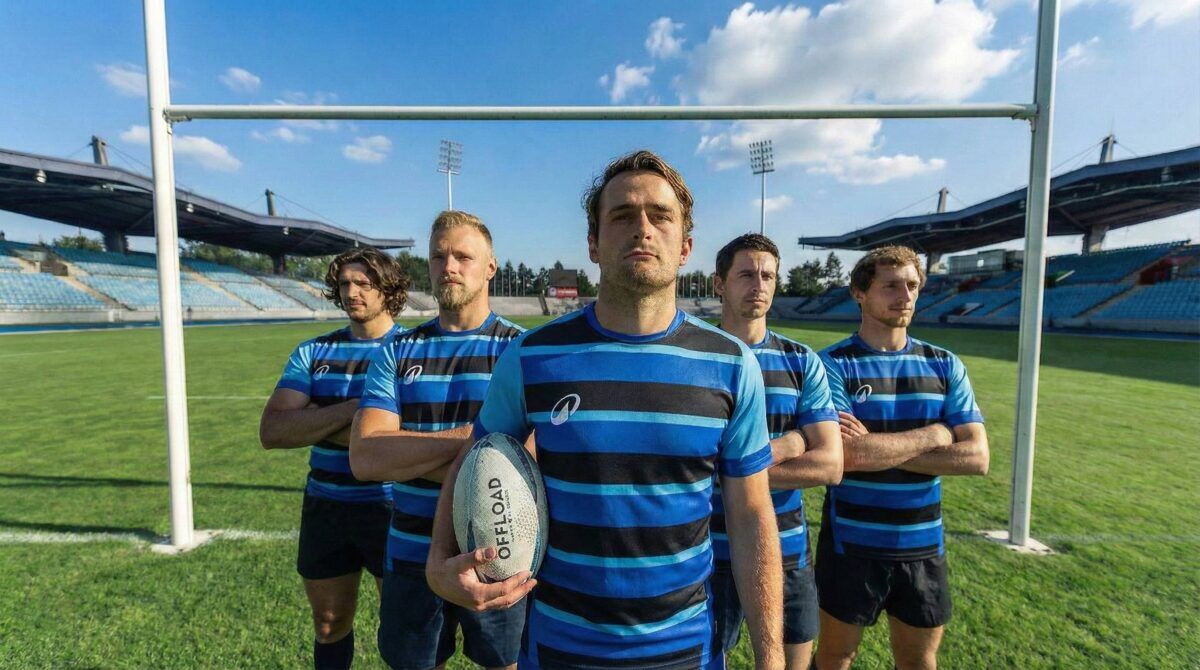
Rugby kit design lives or dies on details a generic template can’t handle: reinforced seams that survive a ruck, collars that don’t chafe under contact, and numbering referees can actually read at pace. Get a custom kit builder wrong and you’ve got a wardrobe of shirts nobody wants to wear. Get it right, and a job that sounds like a difficult undertaking turns out to be easy and hassle free.
That’s not a promise from our brochure. It’s a real Trustpilot review from Dan, who said:
Excellent service & products
Summer was excellent in her communication and really made the process as clear and simple as it could be. The children’s rugby shirt and shorts quality is very impressive and arrived within the stated timescales and I would recommend and re-use Decathlon Club in the future.
Here’s what this article covers:
- How our online kit builder and in-house design team split the work between them
- A step-by-step walkthrough of designing a kit online
- How to brief our designers directly if you’d rather skip the builder
- Choosing between Pro Fit and Standard Custom Rugby Kit
- Pricing, lead times, and what real clubs say about the process
Two Ways to Design a Rugby Kit
You’ve got two routes in, and most clubs end up using a bit of both.
The online kit designer is self-service: pick a template, drop in your colours and logos, and preview the result in 3D before you submit. It’s fast, and it’s the right call for a club that already knows exactly what it wants.
The in-house design team takes over when a brief needs a human – a from-scratch crest, a tricky sponsor layout, or a design with no template to start from. This is where most rugby-specific requests land, because rugby kit has physical demands that generic templates don’t always account for: heavy-duty stitching at stress points, fabric in the 220-280 GSM range for durability, and collar and number placement built around referee visibility rather than looks alone.
Both routes get you sublimation printing, which embeds the design into the fabric fibres rather than sitting on top of it – the reason crests and sponsor logos don’t crack or peel after a season of washing and contact.
Designing a Kit Online, Step by Step
- Choose your garments. Select rugby from the sport menu, then pick jersey, shorts, socks, or training wear, and a Pro Fit or Standard Custom template.
- Pick a base design. Hoops read as traditional, chevrons feel more dynamic, fades give a modern look, and solids keep things simple – the right call usually comes down to your club’s existing identity.
- Set your colours. Use the colour picker for primary, secondary, trim, and collar, and keep an eye on contrast – referees need to read numbers at a distance and under floodlights.
- Upload logos. Crests, sponsors, and school badges go on chest, sleeve, or back at no extra cost for standard placements; player names and squad numbers are added at this stage too.
- Preview and save. Rotate the 3D mock-up, check collar and cuff detail, and save a version to compare against alternatives.
- Submit for review. Our design team checks the file, sends a proof, and confirms sizing before anything goes to print.
Briefing Our In-House Design Team Directly
Some clubs would rather talk it through than build it themselves – particularly for anniversary kits, retro throwbacks, or a full rebrand.
To brief a designer, come with: your club’s history and colours (founding year, traditional palette), existing crest and sponsor files, reference photos of past kits, and a clear sense of what “done” looks like. There’s no template restriction on this route – you get full creative freedom, with our designers handling the printing know-how.
The usual workflow: initial mock-ups within 24-72 hours, one or two feedback rounds, then sign-off before print. Design work is included in the garment price for both Pro Fit and Standard Custom.
Choosing Between Pro Fit and Standard Custom Rugby Kit
| Feature | Standard Custom | Pro Fit |
|---|---|---|
| Fit | Classic, relaxed cut | Athletic, contoured cut |
| Fabric | Robust, heavier weight | Lighter, performance-focused |
| Best for | Minis, juniors, schools, social sides | 1st XVs, BUCS sides, academy squads |
| Durability | Built for rough handling, frequent washing | Built for competitive performance |
| Budget | Lower per unit | Higher per unit |
Most clubs don’t pick one tier across the board. A common pattern we see: Pro Fit for the match-day squad, Standard Custom for training wear and juniors, which keeps the overall spend down without compromising on the shirts that matter most. If budget is the main constraint, Standard Custom is the safer starting point – you can always upgrade specific squads later.
Browse both ranges on our Custom Rugby Kit page, or contact us to talk about about which mix suits your age groups and budget.
Design Details Worth Getting Right
Colour and contrast. Keep secondary colours to cuffs, collars, and side panels rather than spreading them across the shirt – busy kits read worse on the pitch, not better. Number contrast isn’t optional if you want referees (and broadcasters, if you’re filmed) reading them at a glance.
Sponsor placement. Front and centre without overpowering the crest is the standard approach; if a sponsor’s colours clash with the kit, our designers can recolour the logo or move it to a contrasting panel rather than force it onto a background that fights it.
Typography and numbers. Bold, competition-legible fonts, checked against your league’s regulations before anything goes to print.
Heritage touches. A founding year inside the collar, a subtle nod to your town, or a patch marking an anniversary season – small details, but they’re the ones players notice years later.
Consistency across the range. Match jersey, shorts, training wear, and leisurewear should share colour breaks and logo placement. Clubs that get this right across men’s, women’s, and youth sides build a look supporters actually recognise pitch-side.
From Design to Delivery
Sizing. Rugby cuts run differently to football or leisurewear – more room through the shoulders for forwards especially. Sample sets or a fitting night are the safest way to avoid a reorder. Sizes typically run junior through to 4XL.
Minimum orders and reorders. Most custom runs start from as few as 10 jerseys per design, and once your design is on file, reordering for a late-joining player is straightforward – several reviewers specifically flag how painless repeat orders are, one describing a second reorder as “quick and efficient… once again.”
Lead times. Budget 5 weeks from artwork sign-off in a normal window; June to August, as pre-season demand peaks, can push that further.
Post-sign-off changes. Amendments after approval can cost time or money. Double-check names, numbers, and sponsor spelling before giving the green light – it’s the cheapest step in the whole process to get right.
Care. Wash inside out, below 40°C for performance fabrics, no fabric softener. Basic care is most of what separates a kit that looks sharp all season from one that fades by October.
Getting Started
Use the kit designer to explore templates and get a feel for what’s possible, or go straight to our team with a brief if you already know your colours, crest, and timeline. Either way, real clubs – from junior rugby sides to beach rugby socials to BUCS squads – go through the same design and sign-off process described above before anything reaches production.