Charity Match Kit: How to Kit Out Both Teams (Free Planner)
The cause is chosen, the pitch is booked and the group chat has gone from “we should do this” to “we’re doing this”. Now for the bit that turns a kickabout into a proper fixture: the kit.
Matching shirts make your charity match look the part in every photo, give sponsors somewhere to be seen and can even raise money in their own right. This guide covers how to fund, design and order kit for both teams without it becoming a last-minute panic. Still at the very start? Our official kit partner My Club Group has a full guide to organising a charity football match, from venue to insurance to match day.
Why kit is worth it for a one-off match
It can raise money twice. Signed shirts make great auction and raffle prizes after the final whistle.
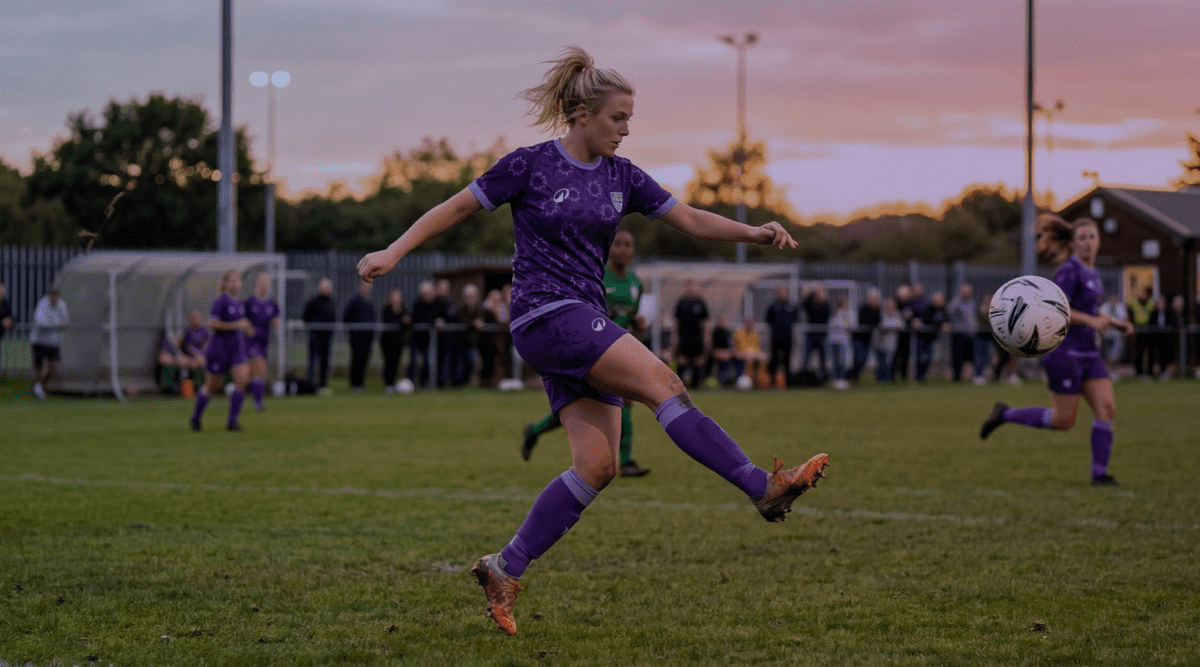
Better photos, bigger reach. Two smart, matching teams look great on social media and in the local paper, and that’s what brings donations in after the day.
A home for your sponsors. A logo on the shirt front is easier to sell to a local business than a mention on a poster.
Something players keep. A shirt with the event name and date becomes a keepsake, so players are happy to contribute towards it.
Step 1: Decide who’s wearing what
Start with a headcount. Most charity matches need:
- Two outfield colourways, one per team, different enough to tell apart at a glance
- Two goalkeeper tops that clash with both outfield kits
- Spare shirts for late sign-ups and rolling subs
Playing mixed 7-a-side or a round-robin with more than two teams? Bibs over a single shared shirt can work, and keep costs down.
Step 2: Work out who pays
There’s no single right answer, but agree it before you design anything:
| Option | How it works | Best for |
| Players buy their own | The shirt cost is built into the entry donation | Matches where players want to keep the kit |
| Sponsor-funded | A local business covers the kit in return for a logo on the front | Raising the most for the cause |
| Split | Sponsor covers one team, players cover the other, or the sponsor covers half | Bigger squads |
| Club-funded | The host club pays and reuses the kit next year | Annual fixtures |
Approaching a sponsor? Use the Kit Funder sponsor pitch template to make the ask. For more ways to fund kit, see our football fundraising ideas.
Step 3: Design it around the cause
This is a fixture with a story, so let the kit tell it. Ideas that work well:
- Use the charity’s colours for one or both teams.
- Add the charity’s logo, with their permission. Most charities have brand guidelines and are happy to share logo files.
- Put the event name and date on the sleeve or back neck, like “Sam’s Cup 2026”. It turns a match shirt into a keepsake.
- Give sponsors clear space, typically the shirt front for the main sponsor and the sleeve for a second.
- Add names and numbers so supporters can follow players and photos look like a real match.
Keep it readable: dark numbers on light shirts and light numbers on dark ones. Our 7 Deadly Fouls of Football Kit Design covers the common mistakes. Then try your ideas in the Kit Designer, where you can test colours, logos and layouts before you ask for a quote.
Step 4: Order early (earlier than you think)
This is the step that catches most organisers out. Custom kit is usually delivered around 6 weeks after you sign off your final design. Most charity matches are planned over 6 to 8 weeks, so kit needs to be one of the very first jobs, not one of the last.
| When | Kit job |
| 8 weeks out | Agree who pays, pick colours, start designing |
| 7 weeks out | Collect sizes and names, get sponsor and charity logo files |
| 6+ weeks out | Sign off the design and confirm your delivery date |
| 1 week out | Kit arrives: check sizes and sort shirts into team bags |
| Match day | Hand out shirts, then take the photo with both teams together |
If your date is closer than that, talk to us before you design anything, so you know what’s realistic.
Step 5: Collect sizes the easy way
Chasing 30 people for shirt sizes is nobody’s idea of fun. Add size, name and number questions to your player sign-up form, so every entry comes with everything you need. Set a firm deadline and order a couple of spares in the most common sizes.
Step 6: Make the kit raise money
Once the final whistle goes, the kit can keep working for the cause:
- Auction signed shirts online or at the post-match do.
- Raffle a shirt signed by both teams.
- Give one to the charity to display or use in their own fundraising.
- Keep a set for next year. If it becomes an annual fixture, you’ve already got the kit.
Get the whole plan on one page
The kit is one part of the day. For everything else, from venue to raffle to match-day helpers, download our free Charity Match Planner. It has an eight-week countdown checklist, a fundraising tally sheet and a match-day run sheet, so you can stop holding it all in your head.
Top tip: add “sign off kit” to the 6 to 8 weeks out column.
Frequently Asked Questions
How many shirts do we need for a charity football match?
One per player for each team, two goalkeeper tops and a few spares for late sign-ups. For two 7-a-side squads with subs, that’s usually around 20 to 24 shirts.
Can we put the charity’s logo on the shirts?
Yes, with the charity’s permission. Ask for their logo files and any brand rules early, as approval can take a few days.
Can we have a different colour for each team?
Yes. Each team can have its own design, so you can play in the charity’s colours, sponsor colours or classic home and away.
Can players keep their shirts?
That’s up to you. Many organisers build the shirt cost into the entry donation, so players take it home as a keepsake.
How long does kit take to arrive?
Usually around 6 weeks from final design sign-off, and your delivery date is confirmed when you get your quote. Order as soon as your date is set.
Kit Out Your Charity Match
Pick your colours, add the cause and sponsors, and see both teams come to life in the Kit Designer. Or browse our custom football kit range and contact us for a no-obligation quote.
It’s a charity match. The rivalry is the entertainment, the cause is the point, and the kit is what everyone remembers in the photos.