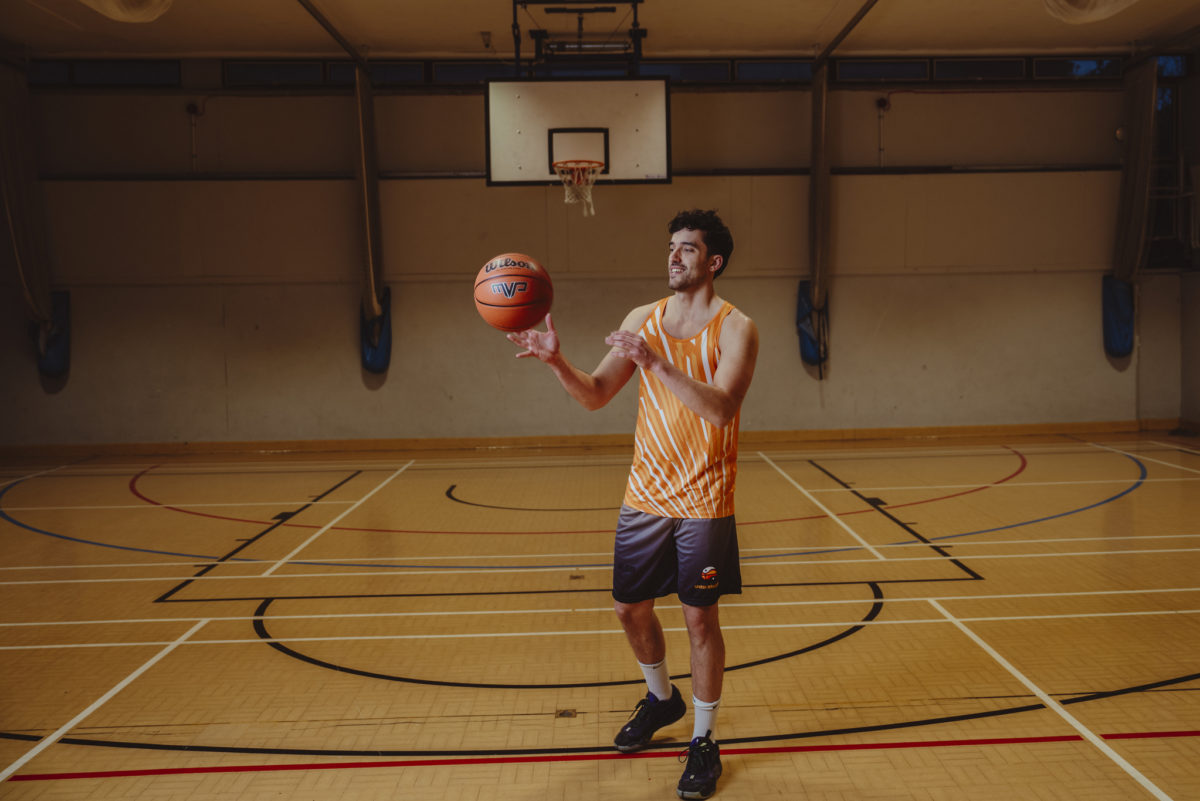
Corporate Sports Kit: More Than Just a Shirt

Give Your Team Something Worth Caring About

Most offices have two things in common: a wellbeing initiative nobody uses, and a ongoing argument about the kitchen. The fruit bowl sits untouched. The coffee pot debate rages on. The milk bottle is always empty. Can corporate sports kit mend these shortfalls?

It sounds trivial. But strong opinions about trivial things are usually a sign of something real underneath – people who are tribal and community-oriented by nature, who want shared standards and a sense of belonging, and are not finding it in the place they spend most of their waking hours.

Corporate sport does not solve this by accident. It solves it by design.

The Problem With Most Wellbeing Initiatives

HR teams are not short of options. Wellness apps, subsidised gym memberships, mental health days, away days, team lunches. Most of them share the same flaw: they create proximity without community. People sit near each other, eat near each other, maybe do a trust fall together. Then they go back to their desks.

Community is not built by putting people in the same room. It is built by giving them a shared goal, a shared identity, and something that actually matters to win or lose. Sport does all three.

Sport Gives Community Energy Somewhere to Go

The colleague who has very strong opinions about reply-all etiquette, the correct office temperature, and whether the dishwasher was loaded properly – that person is not difficult. They are competitive and they care about standards. Put them on a five-a-side pitch and that same energy becomes an asset.

Organised sport redirects the instincts that create workplace friction into something that actually benefits the team. The competitive drive does not go away. It just finds a better outlet.

The reason people argue about the coffee pot is the same reason they would run through a wall for a teammate. It is all the same instinct.

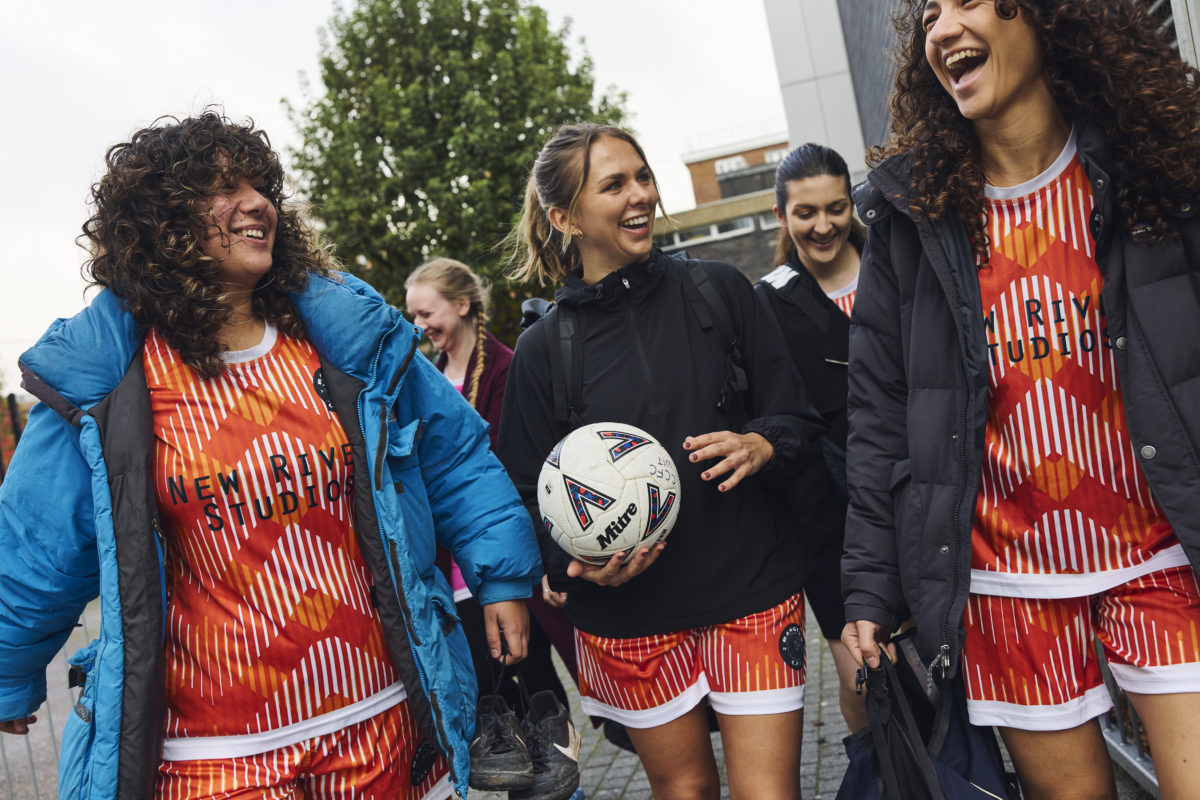
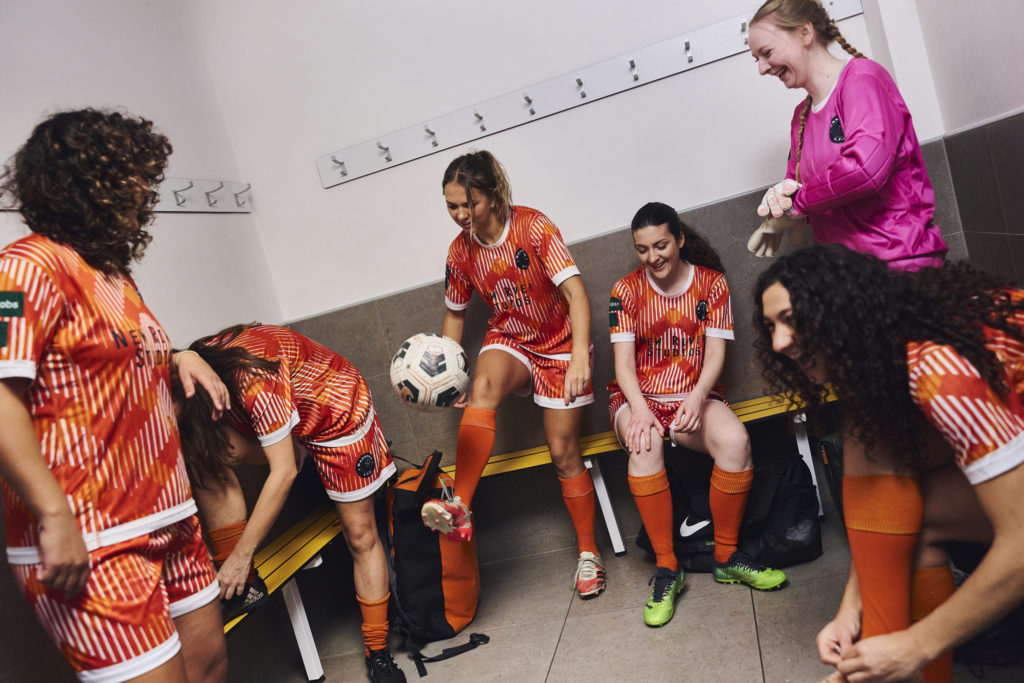
Female football players in custom kit from Decathlon Club. Blue with yellow and light blue stripe pattern.

It Creates Moments You Cannot Manufacture

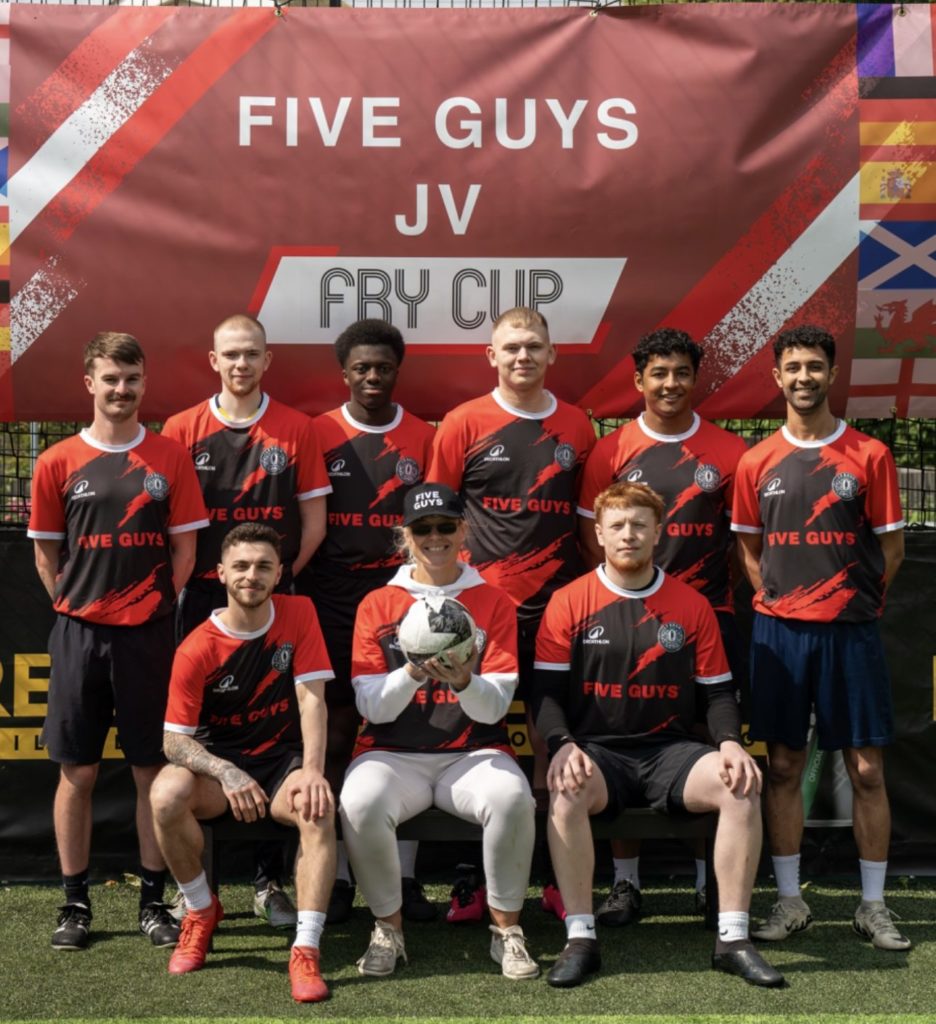
The best thing about corporate sport is not the exercise. It is the 20 minutes after the match – win or lose – when people who have just done something hard together talk to each other like human beings, aligned around the same corporate sports kit, rather than job titles.

That is the thing away days are trying to create and rarely do. Sport produces it as a byproduct, consistently, for the cost of a weekly booking and a set of kit.

Identity Matters More Than You Think

There is a reason grassroots sports clubs invest in kit before they can afford much else. Kit signals: we are a real team. We take this seriously. We belong to something.

The same principle applies to corporate teams. A team that turns up in mismatched gear from the lost property box feels different from one that turns up in matching kit with a company logo on the chest. One is a group of colleagues. The other is a team.

It sounds superficial. The evidence says otherwise. Identity creates commitment, and commitment is what turns a one-off charity run into something people are still talking about two years later. That’s the power of custom corporate sports kit.

What Good Corporate Sport Actually Looks Like

It does not need to be complicated. The organisations that do this well tend to share a few habits:

  • They make it easy to join – low barrier, no prior experience required, all abilities welcome
  • They make it visible – kit, photos, internal comms that treat the team like it matters
  • They make it consistent – a regular slot in the calendar, not a one-off that quietly disappears
  • They make it theirs – branded kit, a team name, something that gives people ownership

The wellbeing ROI follows. But that is almost a side effect. The main thing is that people who play sport together tend to like each other more, trust each other faster, and stay longer.

Kit Your Corporate Team

Fully bespoke sublimated kit with your company logo, free design, and all-inclusive pricing. Minimum order quantity of 5 items.

Get a free quote  |  Design your Corporate Kit  |  See our reviews

How to Order Custom School Sports Kit

Ordering PE and school sports kit is never as simple as it should be. It’s the invoice that comes back wrong for the bursar, the crest that looks slightly off on the proof, the colleague who nods at the June deadline and emails you in August. This guide covers the bits that nobody else explains until they become your problem.

Order Earlier Than You Think

For September delivery, place your order by the second week of July. Custom sublimation kit is made to order – no warehouse, no buffer stock. A June PE kit order arrives comfortably. August means hoping for the best.

Check Your Procurement Rules First

Most friction comes from not knowing what the policy requires before you start. Confirm:

  • Whether a direct supplier quote satisfies three-quote compliance or needs a separate comparator form
  • Which budget code the kit sits under and whether it needs a second sign-off
  • Whether delivery goes through the main office or direct to PE

Get the Invoice Right First Time

Tell suppliers what your invoice must include before they quote – not after. A valid invoice typically needs: the supplier’s company registration number, VAT number, your school’s full legal name, an itemised description, and a delivery date. At Decathlon Club, every invoice includes all of this as standard; if you need a PO reference or specific naming, tell your account manager upfront.

Sort the School Crest Before Production Starts

The crest is the most common cause of last-minute delays. Three things that help:

  • Send a vector file (AI, EPS, or SVG) – a JPG from the school website produces a pixelated result
  • Check the proof against the original: font weight, spacing, exact colour shades
  • Confirm size and placement at brief stage, not proof stage – “left chest, 7cm wide” beats “roughly where a badge would go”

Decathlon Club sets up your school crest for free and sends a proof before anything goes to production.

Agree Uniform Rules Before Briefing the Supplier

Get SLT sign-off on these before you approach any supplier:

  • Are base layers allowed, and in what colours?
  • Is there a prescribed trainer colour for fixtures?
  • Can students wear their own shorts, or must they be school-issued?
  • Names on the back, or numbers only?

Plan for Reorders From the Start

Kit disappears every July. The best suppliers make topping up painless – look for a saved kit spec in a client portal, consistent production batches across seasons, and no punitive minimums on small reorders. Decathlon Club stores your full specification in your Client Portal, so reorders take minutes, not weeks.

What to Ask Any Supplier

  • Is pricing all-inclusive – design, names, numbers, crest – or will extras appear on the final invoice?
  • Can they provide a quote in the format your bursar requires?
  • Is there a named account manager, or a different person every time?

At Decathlon Club, every school has a named account manager for the life of the account.

Ready to Order? If you’re placing your school’s PE kit order for September, now is the time to start.

Get a free quote  | Design school sports kitSee our reviews

Personalised Running Vests: The Complete Guide for Running Clubs and Athletics Teams

If you’re getting your team race-ready – whether it’s a grassroots running club, a school cross-country squad or a charity fun run – personalised running vests are one of the best investments you can make. This guide covers everything – printing methods, fabric, sizing, pricing, turnaround, and step-by-step ordering – so you can get it right first time, even if you’ve never ordered custom kit before.

Football Fundraising Ideas for Grassroots Clubs (That Actually Work)

If your football club needs to raise money for new kits, goalposts, pitch hire or tournament fees, this guide gives you practical football fundraising ideas you can start this month. No theory, no waffle – just proven approaches that work for grassroots clubs across the UK and Europe.

At Decathlon Club, we supply custom teamwear to hundreds of grassroots clubs, so we see first-hand which football fundraising ideas actually pay for new kits and training gear. The truth? 72% of grassroots clubs say they don’t have enough funding to sustain basic operations, and over 90% have seen running costs rise in recent years. Your club isn’t alone in feeling the squeeze, so we have curated our list of football fundraising ideas here.

Top tip: The most successful football fundraisers combine a clear goal (“help us buy new goalposts by September”), a community moment (an event), and easy ways to share (social media, WhatsApp groups). People give more when they know exactly what their money does. We’ll cover match day activities, community events like fun runs and car washes, online tools like Kit Funder, World Cup tie-ins, and longer-term sponsorship and merchandise strategies.

Set a Clear Fundraising Goal and Timeline

Before you plan a single event, set a clear fundraising goal. Every football fundraising idea on this list works better when your club knows exactly what it’s raising money for and by when.

  • Pick a specific, visible goal: “£2,000 by 1 October to buy two full-size goals and replacement match balls” beats “we need money” every time.
  • Involve coaches, parents and older players in agreeing priorities: new kits, a winter training venue, an away tournament.
  • Break the total down per squad so each team has its own mini-goal. U10s raise £300, U13s raise £400, seniors cover the rest.
  • Show how achievable it is: 100 families each contributing £20 across the season = £2,000. That’s one bake sale and a raffle per family.
  • Use this target everywhere: posters, social posts, your fundraising page and match day announcements.

Capitalise on World Cup 2026 Fever Right Now

The FIFA World Cup 2026 – hosted across the USA, Canada and Mexico – is currently underway, and it’s one of the best opportunities grassroots clubs have had in years to boost fundraising. With 48 nations competing for the first time, there’s a team for almost every parent on your touchline to support. Football fever is contagious, and your club can ride it.

World Cup watch parties

Host a screening of a knockout match at your clubhouse or a local venue. Charge a small entry fee (£3 to £5 per person), sell refreshments, and run a half-time raffle. A quarter-final or semi-final screening can easily pull in 80 to 120 people from your local community and generate £300 to £600 in a single evening.

“Predict the Score” competition

Sell prediction sheets for £1 to £2 per game. Members predict the scoreline for that evening’s World Cup match – correct scores win a small prize, and the entry pool goes to the club. Run it across the whole tournament and it becomes a reliable weekly income stream through July.

World Cup-themed kit launch

If your club is planning new kits for the coming season, announce and launch them during the tournament. Use the World Cup buzz to generate excitement on social media, link to your Kit Funder page, and remind supporters they can sponsor individual players’ shirts. Timing a kit campaign alongside a major international tournament consistently lifts conversion rates.

Match Day Football Fundraising Ideas

Your home game is a ready-made fundraising event with a captive audience – and no extra venue costs.

  • Refreshments stall: hot drinks, bacon rolls and football-themed cakes. Even £40 to £60 profit per game adds up to £500+ over a season. Keep a collection tin next to the till for extra donations.
  • Match day car wash: older age groups clean cars in the car park for set prices. Rotate the rota so players aren’t exhausted before kick-off.
  • Half-time raffles and 50/50 draws: sell tickets with donated prizes from local businesses. Raffles can be organised quickly and are always popular.
  • Programme sales: sell simple A5 match day programmes with local business ads inside, combining programme revenue with sponsorship.
  • Quick-fire competitions: a “Beat the Goalie” challenge or crossbar challenge with a small entry fee per attempt adds excitement and easy revenue to any fixture.

Pro tip: Have card readers and QR codes for donations. Most football fans don’t carry cash anymore.

Turn match day into a mini community event

Family-friendly activities keep the whole community around longer and multiply income streams. Plan themed dates in your season calendar: a Season Opener in September, a Christmas jumper game in December, an End-of-Season Festival in May. Add face painting, a bake sale and kids’ games near the touchline. Use the PA to explain exactly what the funds raised are paying for.

Host Football-Themed Events: Tournaments, Quizzes and Charity Games

A single well-run event can bring in hundreds – sometimes thousands – of pounds. These events also double as recruitment drives for new members, volunteers and potential sponsors.

Five-a-side tournament

Run one in June or August with team entry fees, food stalls and a sponsored trophy. Organisers typically raise £400 to £1,200 depending on turnout. Plan 6 to 8 weeks ahead, avoid dates clashing with televised football, and set clear formats: age groups, mixed teams, women’s and veterans’ sections.

Set up registrations via Google Forms, collect payments in advance, and offer early-bird discounts. Offer “sponsor a pitch” boards for local companies. Your checklist: fixtures list, referees, first aid, refreshments, medals.

Football quiz night

Perfect for winter months when outdoor events aren’t practical. Most clubs pull in £150 to £500 in a single evening through entry fees alone.

Structure: 6 to 8 rounds including a football-themed round, a local club history round and some general knowledge so non-football fans feel welcome. Income streams: team entry fee, raffle on the night, snacks and drinks, plus optional “bonus question” donations. Prizes: vouchers from local restaurants, a signed club shirt, or a free season ticket donated by the club.

Charity match or parents vs kids game

Sell tickets, charge a small fee per player and sell refreshments. A “wear your old kit” theme or fancy dress novelty match makes the event stand out on social media.

Community-Based Football Fundraising Ideas

These activities involve the whole local community beyond match days and build genuine community spirit. Here are some football fundraising ideas:

Fun run or 5K

Organise a run around a local park, with runners collecting sponsorship and paying a registration fee. Well-organised events bring in £1,000 to £2,000+. Everyone runs in club colours. A sponsored walk works just as well for younger players.

Maximise it: Set tiered entry fees (£5 juniors, £10 adults, £25 family ticket). Encourage everyone to set up individual sponsorship pages. Partner with a local café to provide refreshments at the finish line in exchange for logo placement. Provide race numbers and optional medals for kids to increase perceived value.

Football-themed bake sale

Cupcakes decorated like footballs or boots, hosted at the club, a school or village hall. Seasonal fundraising opportunities that bring in family members who might not attend a game.

Weekend car washes

Schedule these for spring and summer in a supermarket or community centre car park. Older age groups rotate the rota, and good weather drives turnout.

Community clean-up days

Players and parents tidy local parks or the club’s ground in return for sponsorship per hour worked. Low cost, high goodwill.

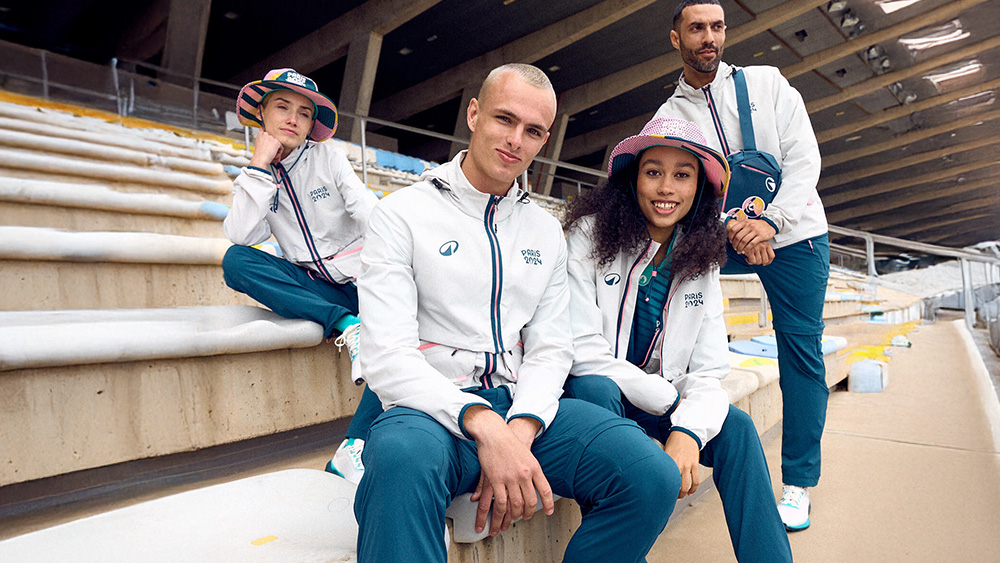
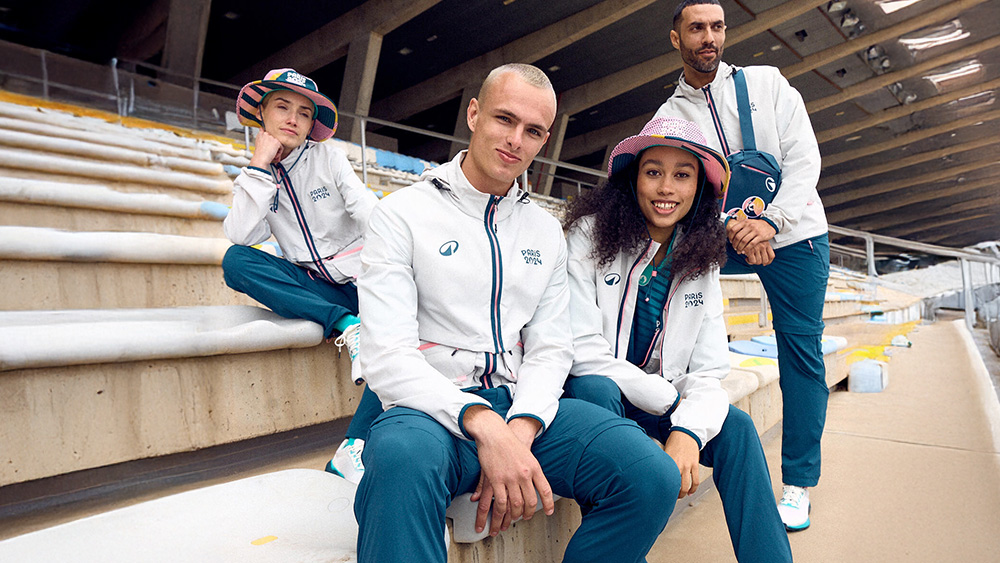
Custom team wear designed by Decathlon Club for Paris 2024.

Online Football Fundraising Tools

Many supporters prefer to give online, so clubs should combine physical events with digital fundraising. Here are some digital football fundraising ideas:

  • Kit Funder: parents, relatives and sponsors contribute directly toward the cost of a new kit or training wear. Pair it with a visible goal like “Help our U12s get new home shirts by August.”
  • Crowdfunding: Effective for specific needs like facility upgrades.
  • Online charity auctions: attract strong bids for signed shirts or matchday experiences.
  • Virtual challenges: keepie-uppie challenges, step counts or FIFA gaming tournaments – participants raise money online at their own pace.

Clear progress bars and regular updates motivate more giving. When people see “75% funded,” they want to push it over the line.

Using social media to boost your football fundraising

  • Create simple shareable graphics with the goal, date and link using free tools like Canva.
  • Ask each player and parent to share the link once on their personal channels and local community Facebook groups.
  • Post specific impact updates: “Thanks to your support we’ve already funded 75% of our new training tops for the U9s.”
  • Short videos from coaches explaining why the fundraiser matters encourage people to donate and share.

Merchandise, Custom Kits and Long-Term Income

One-off events are powerful, but merchandise and sponsorship provide repeatable income that compounds season on season.

  • Sell club-branded merchandise: scarves, hats, hoodies, water bottles and training tops carrying the team logo – at games and online.
  • Simple online shop or order form: fans buy replica shirts and personalised teamwear on and off match day.
  • Sponsor logos on kits: offer packages combining shirt sponsorship with programme adverts and pitchside banners.
  • Seasonal pre-order window (July to August): avoids holding excess stock.
  • Limited-edition items: a cup run shirt or anniversary shirt creates urgency and justifies a higher margin.

Designing fundraising-friendly kits with Decathlon Club

Smart kit design makes fundraising and sponsorship easier. Use Decathlon Club’s online kit designer to leave clean spaces for sponsor logos on front, back or sleeves without compromising your club’s colours. Choose durable, sustainable fabrics so kits last multiple seasons – sustainability is increasingly important to sponsors and families alike, and it frees more budget for facilities and coaching. Create matching merchandise ranges (hoodies, tracksuit tops, beanies) that carry the same design language as the main kit.

Programme sales and local business partnerships

Local businesses want to reach the same community your club serves.

  • Create A5 match day programmes with team lists, fixtures, young player photos and a message from the coach.
  • Sell advertising space to local trades (plumbers, cafés, garages) at set rates per season.
  • Bundle packages: logo on training bibs + programme ad + social media shout-outs for an annual fee.
  • Approach businesses with real numbers: average home attendance, number of youth players and families reached each week.

A single main sponsor covering printing costs means every programme sold is pure profit.

Building long-term relationships with sponsors

Sponsorship works best as a partnership, not a one-off donation. Invite sponsors to key events like your awards night, five-a-side tournament and charity matches. Share photos of players wearing kits with sponsor logos and tag the business on social media. Send a brief end-of-season report: “Your support funded indoor winter training sessions from January to March.” Well-run sponsorships make it easier to renew deals and grow support each season.

Tips to Make Every Football Fundraiser a Success

  • Core formula: clear goal + community moment + easy ways to give and share. Every successful fundraiser has all three.
  • Start small and repeat what works. Refine the same five-a-side tournament or quiz night each year rather than reinventing the wheel.
  • Avoid fundraiser fatigue by spacing events across the season. Mix big events with “always on” income like online donations and merchandise.
  • Thank supporters publicly. Social posts, emails and announcements showing exactly what was bought – new kits, new goals, extra training sessions – keep the whole community motivated for next time.

Your club exists because of the people around it. Every football fundraiser, whether a raffle at a home game or a 5K through the local park, strengthens that connection. Pick two or three ideas from this list, set your goal, and watch the funds roll in. Then head to Decathlon Club’s kit designer to turn those donations into something the whole club can wear with pride.

Frequently Asked Questions About Football Fundraising

What is the most effective football fundraising idea for a small grassroots club? The most effective approach for a small club is combining a match day refreshments stall (low effort, consistent income) with an online Kit Funder campaign (reaches friends and family who don’t attend games). Together these two income streams can cover most of a kit order within a season.

How much money can a grassroots football club realistically raise? It depends on the method and club size, but typical returns are: match day refreshments £40–£60 profit per game, a five-a-side tournament £400–£1,200, a fun run or 5K £1,000–£2,000, and a quiz night £150–£500. A club running three to four events per season plus ongoing merchandise sales can realistically raise £3,000–£6,000 annually.

How can our football club take advantage of the World Cup for fundraising? The FIFA World Cup 2026 is an ideal backdrop for a sweepstake (£2–£5 per entry across 48 nations), a watch party screening with entry fees and a raffle, or a “predict the score” weekly competition. Timing a kit launch or crowdfunding campaign during the tournament also benefits from elevated football interest.

How do we find sponsors for our football club? Start with businesses whose customers overlap with your club community: local trades, cafés, car garages, estate agents. Approach them with a sponsorship pack showing your average home attendance, number of youth players and social media reach. Offer tiered packages (kit sponsor, programme advertiser, training bib sponsor) so businesses of different sizes can participate.

Ready to put those funds to work? Design your next kit at Decathlon Club’s kit builder and request a quote today.

Is AI Transforming Football? 2026 World Cup AI Use

The 2026 FIFA World Cup is not just the biggest tournament in football’s history – it’s the first to run on artificial intelligence (AI) from kickoff to final whistle.

Hosted across the USA, Canada and Mexico, this summer’s competition features 48 teams, 104 matches and 16 host cities from 11 June to 19 July. An estimated six billion people will watch at home, with around seven million fans expected through the turnstiles.

That scale alone would make headlines. But the real story is what’s happening underneath the spectacle. AI now underpins offside decisions, drives tactical preparation, predicts injuries, and shapes how fans navigate stadiums and consume broadcasts.

Yes, World Cup predictions from data models have tipped clear favourites like Brazil, France, Argentina, Spain and England. But AI is driving a bigger shift – now shaping how the game is played, officiated, and experienced – not just predicting who lifts the trophy.

Below, we break down the key technologies at work: semi-automated offside technology, Football AI Pro, player tracking, the smart match ball, and innovations in fan experience and broadcasting. We look at what all of this means for football beyond the elite level, including grassroots clubs and youth academies. At Decathlon Club, we design custom football kit for teams at every level. We’re watching these innovations closely; the standards set at the top filter down to grassroots level.

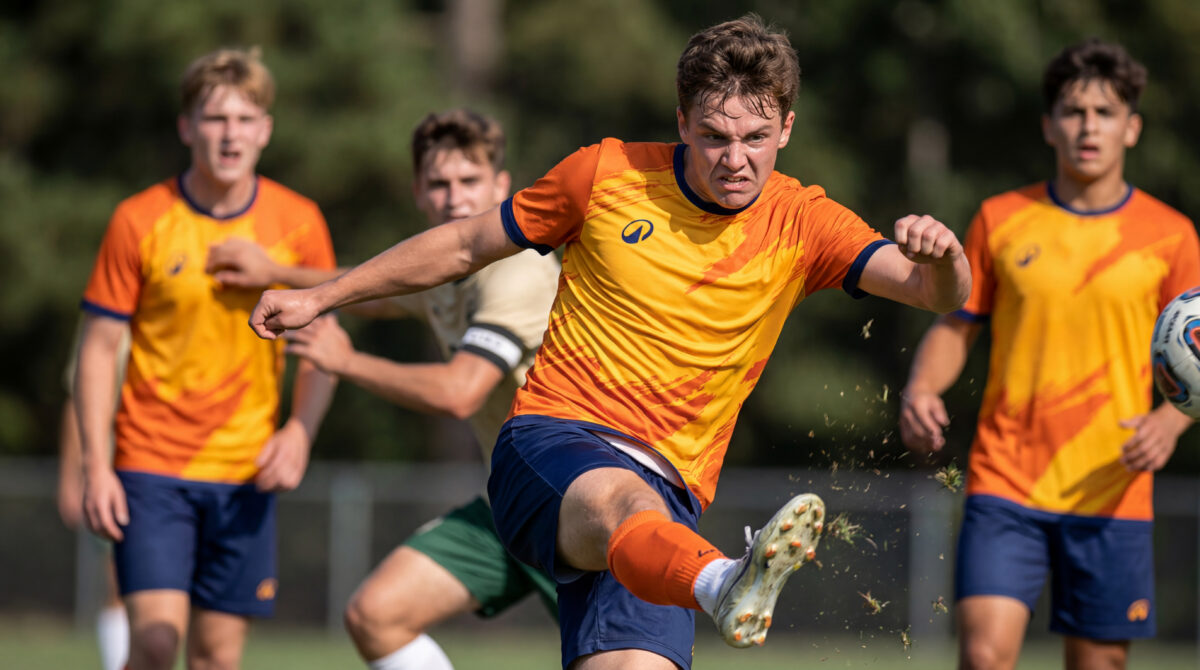
Football players in an arena wearing Decathlon custom yellow and blue teamwear.

AI-Powered Officiating: Semi-Automated Offside Technology

Picture a tense group stage match. A forward times a run perfectly – or so it seems. The assistant referee’s flag stays down. In the VAR hub, semi-automated offside technology has already drawn the line, checked the data, and sent a real-time audio alert to the on-pitch officials. AI-informed referees confirm the call within roughly 25 seconds. Onside. Play on.

This is an upgraded version of the system first introduced at Qatar 2022. The original version was groundbreaking, but it had rough edges. Sometimes viewers were confused with arms that appeared “offside” but weren’t legally relevant, and delays that still frustrated. For 2026, FIFA has overhauled the technology significantly.

How it works

Around 16 high-resolution optical tracking cameras fitted across each stadium follow every player on the pitch. They will capture 29 to 30 body points per person at high frame rates; building a real-time digital skeleton. When a potentially offside situation occurs, the system:

  • Identifies the exact moment the ball is played (using data from the match ball’s internal sensor)
  • Maps the positions of all players’ relevant body parts
  • Draws the offside line automatically
  • Generates a 3D avatar reconstruction that VAR officials and broadcasters can view from any angle

The system handles fast or obstructed movements far better than before. Tournament organisers 3D-scan every player before the tournament to create a precise digital twin. Therefore, even when bodies overlap or a player is partially hidden, the system maintains accurate tracking. Offside decisions that once took around 70 seconds in conventional VAR reviews now resolve in a fraction of the time.

Officials also wear body cameras producing what FIFA calls “referee view” footage. AI stabilisation processes this feed to reduce motion blur and camera shake, giving viewers a clear first-person perspective of contentious moments. For a sport that badly needed to rebuild trust in officiating, that transparency matters.

Diagram: How it Woks: FIFA's 3D Offside Technology

Football AI Pro: FIFA and Lenovo’s Tactical Super-Assistant

If semi-automated offside technology is AI’s contribution to fairness, Football AI Pro is its gift to tactics.

FIFA and Lenovo announced the generative AI knowledge assistant at Lenovo Tech World in January 2026, building it jointly and making it accessible to all 48 national teams. They power it with FIFA’s Football Language Model, training it on hundreds of millions of FIFA-owned data points spanning men’s, women’s and youth competitions.

Coaches and analysts query it in plain English: “Show me how our next opponent defends set pieces” or “What pressing patterns does this team use in the final 15 minutes?”. The tool responds with written analysis, heat maps, graphs and 3D tactical visualisations.

Crucially, Football AI Pro cannot be used during live play. It’s a preparation and reflection tool – not a live coaching assistant. Between matches, staff run what-if simulations, study opponent tendencies, and plan for specific scenarios.

FIFA president Gianni Infantino has framed it as a way to “democratise access to data”, and the impact is real. Debutant nations now have access to the same depth of scouting intelligence as Germany or Argentina, reducing the gap that resource-rich federations have historically enjoyed. Think of it as a tireless analyst that never sleeps – and one that every team, regardless of budget, gets to use.

Just as national teams use AI to prepare tactically, clubs at every level can invest in what makes them distinctive. Custom teamwear is where that identity starts – because looking and feeling like a team matters whether you’re at Wembley or a Sunday morning park pitch.

Player Tracking, Performance Analytics and Injury Prevention

The same 16 optical cameras that power offside detection also feed a broader performance analytics system. Across a single match, the tracking infrastructure logs roughly 150 million data points covering every player’s movement in granular detail.

Metrics derived from this real-time data include:

  • Total distance covered per player
  • High-speed running (sprints above around19.8 km/h)
  • Accelerations and decelerations – sharp speed changes linked to muscle strain risk
  • Pressing intensity and off-ball movement patterns
  • Positional heat maps showing where players spend their time

AI models compare this live data against each player’s historical profile. If a winger’s deceleration patterns start resembling the signature they showed before a previous hamstring strain, the system flags elevated injury risk. For a tournament where squad depth is everything, that intelligence shapes smart rotation decisions.

Consider a realistic scenario. A star attacker has played every minute of two intense group matches. Heading into a lower-stakes third game where qualification is already secured, AI data suggests rising fatigue risk. The coaching staff weigh this against competitive needs and choose to rest the player – keeping them fresh for the knockout stages where tournaments are won and lost.

Load management across a 48-team competition is a bet on long-term availability. Teams confident enough to rotate early, trusting their squad depth, are often the ones still competing at full intensity in the quarter-finals and semi-finals.

All tracking is governed by FIFA rules. Players and federations consent to data collection, and privacy protections cover how sensitive health information is stored and shared – important safeguards as similar systems filter down to Premier League clubs, academies and, eventually, grassroots football.

Female football players in custom Decathlon pink and navy kit; one headers the ball and the rest are in the background.

The Smart Match Ball: Sensors at the Heart of Every Move

The official 2026 World Cup match ball – the Adidas Trionda – contains an inertial measurement unit (IMU) sensor that records data approximately 500 times per second. That’s 500 snapshots every second of the ball’s speed, spin, acceleration and impact.

This data does serious work. Combined with player-tracking cameras, the ball sensor identifies the precise moment a pass is struck – essential for resolving tight offside calls. It also detects the slightest deflection off a defender, potentially changing who’s credited with a goal or whether a handball occurred. A cross that grazes a defender’s shin before reaching an attacker ruled offside? The IMU picks up that fractional touch and the system recalculates accordingly.

For broadcasters, smart ball data unlocks new on-screen graphics: shot speed in km/h, spin rate, expected goal values tied to ball placement, and trajectory curves on replays. These visuals bring millions of viewers closer to the physics of the game – making the science behind every free kick and long-range strike visible and understandable.

AI-Enhanced Fan Experience, Broadcasting and Stadium Journeys

Picture you’re arriving at a 2026 World Cup match in Mexico City. Your phone buzzes with an AI-guided route suggestion, steering you to a quieter entrance via a less congested transit option. At the gate, digital ticketing speeds you through. Inside, you hold your phone towards the pitch and see player names, live speeds and live stats overlaid on your screen through augmented reality.

At home, the experience is equally transformed. Referee view footage, stabilised by AI, shows you contentious decisions from the official’s own perspective. 3D offside visualisations appear on screen within seconds of a close call. Alternative broadcast streams cater to different audiences: tactical angles for the analyst, highlights for casual viewers, and kid-friendly presentation for younger fans discovering the game for the first time.

Personalised content feeds curate replays, tactical explainers and win-probability graphics throughout the tournament – adapting to each viewer’s favourite teams as the competition moves from group stages through to quarter-finals, semi-finals and the final.

This visual richness also puts a spotlight on identity. Flags, colours, kits and fan merchandise are more visible than ever, captured in close-up by 3D scans and broadcast in ultra-high definition. For clubs at every level, that raises the bar on looking the part. At Decathlon Club, we help grassroots sides reflect that same level of professionalism with custom-designed teamwear that carries their identity as boldly as any nation stepping onto the pitch.

From World Cup 2026 to Sunday League: What This Means for Grassroots Football

The technology on display at World Cup 2026 is set to accelerate changes already reshaping football at every level. Data-driven coaching, fairer officiating, richer fan experiences and more connected competitions are no longer exclusive to the elite – they’re becoming the standard the whole game aspires to.

FIFA may soon extend Football AI Pro or its successors to all 211 member associations, so even the smallest nations have access to elite tactical intelligence. At club level, affordable camera systems, wearable GPS trackers and basic analytics dashboards are already within reach for semi-pro and academy sides. Schools could use simple tools to plan training loads and reduce injury risk among young players.

As tactical tools become more accessible, clubs will invest more in what makes them distinctive: their brand, their colours, their story. Whether you’re competing in a local derby or preparing for a cup final, your kit says something about who you are.

At Decathlon Club, we help teams create sustainable, affordable, made-to-order kit that carries that identity with confidence – because every club deserves a kit they’re proud to pull on, whatever level they play at.

AI is the quiet partner making football safer, fairer and more insightful. But the emotion, the noise, the pride of wearing your team’s colours – that’s still entirely ours. Talent, form and the will to win remain at the heart of every match, from the World Cup final to a Sunday morning kickabout.

Excited about how AI is changing the game? Try simple analytics tools for your own team – and if you want to look the part while doing it, design a kit that reflects your club’s identity as confidently as any World Cup nation this summer.

FAQs: AI and the 2026 World Cup

Does AI decide who wins the World Cup? No. AI can simulate tournaments, model outcomes and offer predictions based on squad strength, form and historical data, but real results depend on what happens on the pitch. You can’t model the moment a goalkeeper pulls off an impossible save or a substitute scores in stoppage time.

Is AI replacing referees? Not at all. Human referees retain final authority over every decision. AI is a tool for consistency, speed and accuracy – helping officials make better-informed calls, not making calls for them.

What is Football AI Pro? It’s a generative AI assistant, built by FIFA and Lenovo, that lets coaches and analysts query hundreds of millions of football data points through natural-language prompts. It produces scouting reports, tactical breakdowns and performance visualisations – for all 48 competing nations.

Are AI World Cup predictions reliable? They’re interesting, and they often reflect genuine analysis of expected performance. But football has a habit of breaking the model. Upsets, injuries and individual brilliance mean no system can predict with certainty whether Brazil, Spain, France, Germany, England or Argentina will win. That unpredictability is exactly why we watch.

How can my club benefit from these trends right now? Start small. Explore free or low-cost analytics apps for tracking match stats. Invest in your club’s visual identity with custom football kit that reflects who you are. The same pride and preparation that define a World Cup campaign can drive your own team – whatever level you compete at.

What Is Sublimation Printing? A Custom Sports Kit Guide by Decathlon

Every club wants kit that looks sharp on day one and still looks sharp after muddy pitches, away days and hundreds of washes. The reason some kits manage that and others don’t often comes down to one thing: how they were printed.

Sublimation printing is the method behind the best custom sports kits – the ones that feel light, move well and keep their colour season after season. If you’ve ever wondered what makes a quality sublimated kit different from a standard printed one, this guide covers everything: how the process works, what it works on, how it compares to other printing methods, and why Decathlon uses it for all our custom teamwear.

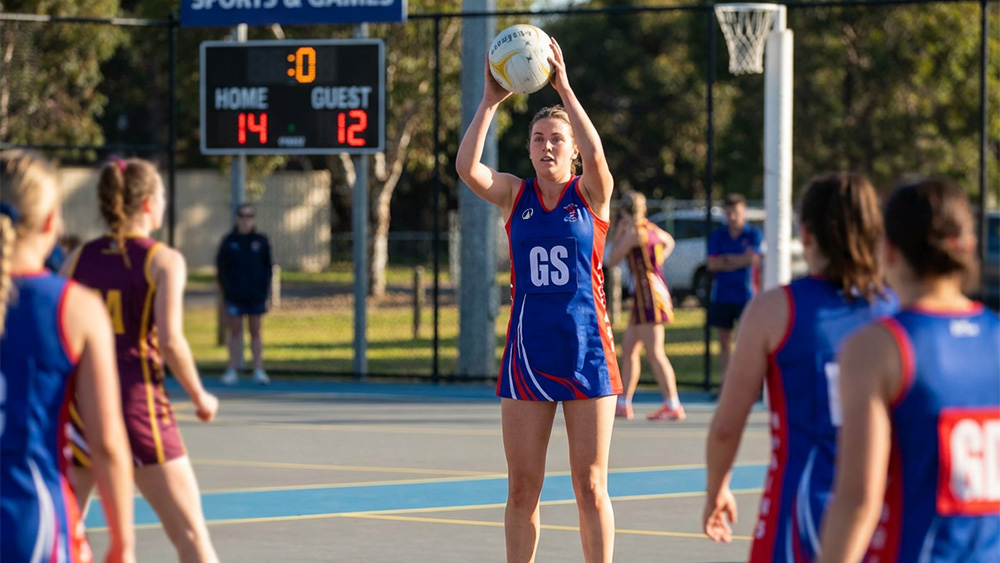
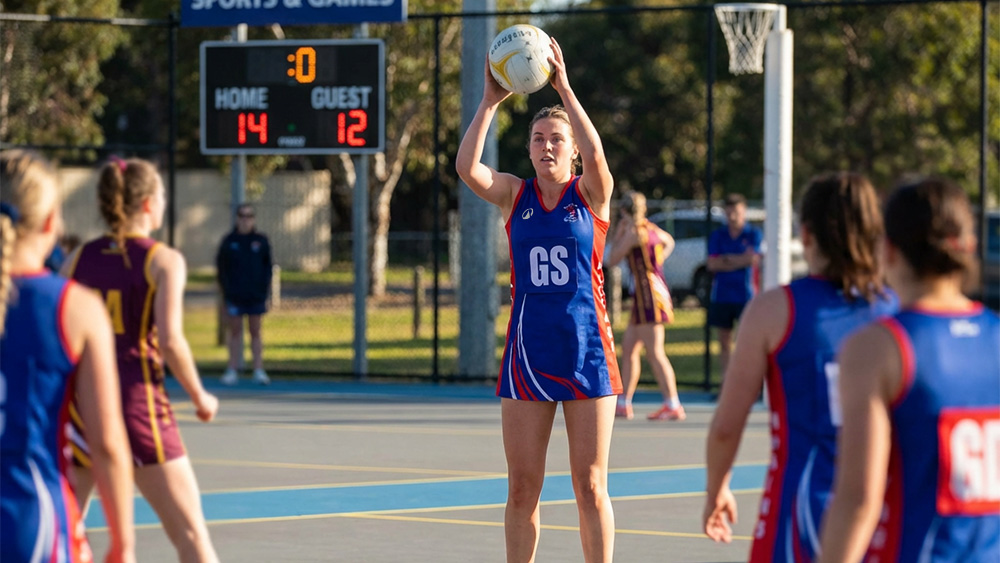
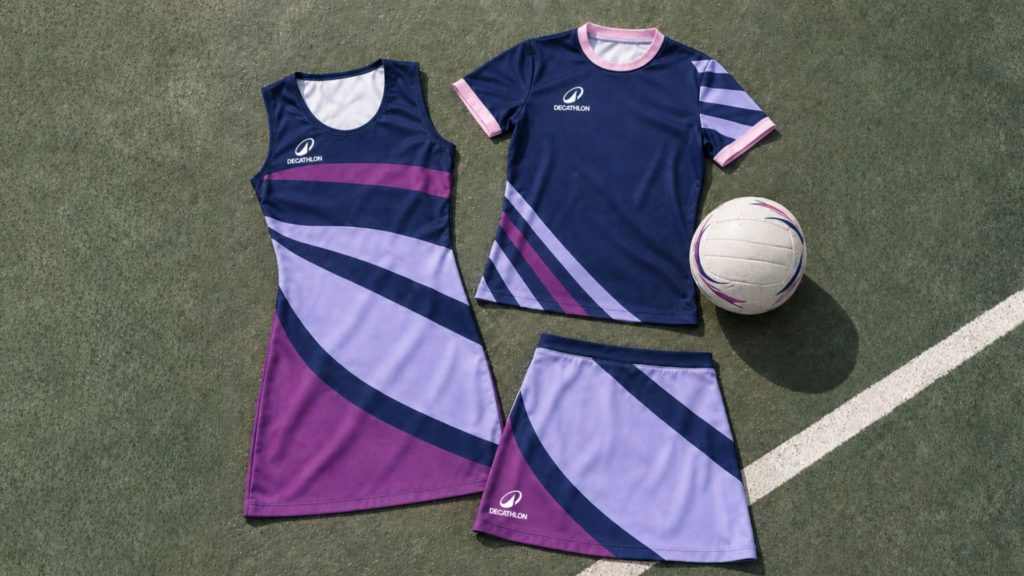
Custom Netball Dress: Design Your 2026/27 Netball Kit with Decathlon Club

The 2026/27 season is closer than you think. If your netball club is planning new custom netball dresses or a full kit refresh, now is the time to start designing. Decathlon makes it simple to create standout netball kits that reflect your team’s pride, colours, and unique identity, all delivered before your first centre pass.

Sustainable Sportswear: The Ultimate Guide for Eco-Conscious Teams and Clubs

The average grassroots club replaces its full kit every two to three years. Most of the outgoing stock is still wearable. Some of it ends up in a cupboard. A lot of it ends up in a bin.

That’s not a values problem – it’s a system problem. It requires better buying decisions and a clearer idea of what happens to a kit after its final match.

This guide covers both: how to buy kit that lasts, and what to do with it if it doesn’t.