If your football club needs to raise money for new kits, goalposts, pitch hire or tournament fees, this guide gives you practical football fundraising ideas you can start this month. No theory, no waffle – just proven approaches that work for grassroots clubs across the UK and Europe.
At Decathlon Club, we supply custom teamwear to hundreds of grassroots clubs, so we see first-hand which football fundraising ideas actually pay for new kits and training gear. The truth? 72% of grassroots clubs say they don’t have enough funding to sustain basic operations, and over 90% have seen running costs rise in recent years. Your club isn’t alone in feeling the squeeze, so we have curated our list of football fundraising ideas here.
Top tip: The most successful football fundraisers combine a clear goal (“help us buy new goalposts by September”), a community moment (an event), and easy ways to share (social media, WhatsApp groups). People give more when they know exactly what their money does. We’ll cover match day activities, community events like fun runs and car washes, online tools like Kit Funder, World Cup tie-ins, and longer-term sponsorship and merchandise strategies.
Set a Clear Fundraising Goal and Timeline
Before you plan a single event, set a clear fundraising goal. Every football fundraising idea on this list works better when your club knows exactly what it’s raising money for and by when.
- Pick a specific, visible goal: “£2,000 by 1 October to buy two full-size goals and replacement match balls” beats “we need money” every time.
- Involve coaches, parents and older players in agreeing priorities: new kits, a winter training venue, an away tournament.
- Break the total down per squad so each team has its own mini-goal. U10s raise £300, U13s raise £400, seniors cover the rest.
- Show how achievable it is: 100 families each contributing £20 across the season = £2,000. That’s one bake sale and a raffle per family.
- Use this target everywhere: posters, social posts, your fundraising page and match day announcements.
Capitalise on World Cup 2026 Fever Right Now
The FIFA World Cup 2026 – hosted across the USA, Canada and Mexico – is currently underway, and it’s one of the best opportunities grassroots clubs have had in years to boost fundraising. With 48 nations competing for the first time, there’s a team for almost every parent on your touchline to support. Football fever is contagious, and your club can ride it.
World Cup watch parties
Host a screening of a knockout match at your clubhouse or a local venue. Charge a small entry fee (£3 to £5 per person), sell refreshments, and run a half-time raffle. A quarter-final or semi-final screening can easily pull in 80 to 120 people from your local community and generate £300 to £600 in a single evening.
“Predict the Score” competition
Sell prediction sheets for £1 to £2 per game. Members predict the scoreline for that evening’s World Cup match – correct scores win a small prize, and the entry pool goes to the club. Run it across the whole tournament and it becomes a reliable weekly income stream through July.
World Cup-themed kit launch
If your club is planning new kits for the coming season, announce and launch them during the tournament. Use the World Cup buzz to generate excitement on social media, link to your Kit Funder page, and remind supporters they can sponsor individual players’ shirts. Timing a kit campaign alongside a major international tournament consistently lifts conversion rates.
Match Day Football Fundraising Ideas
Your home game is a ready-made fundraising event with a captive audience – and no extra venue costs.
- Refreshments stall: hot drinks, bacon rolls and football-themed cakes. Even £40 to £60 profit per game adds up to £500+ over a season. Keep a collection tin next to the till for extra donations.
- Match day car wash: older age groups clean cars in the car park for set prices. Rotate the rota so players aren’t exhausted before kick-off.
- Half-time raffles and 50/50 draws: sell tickets with donated prizes from local businesses. Raffles can be organised quickly and are always popular.
- Programme sales: sell simple A5 match day programmes with local business ads inside, combining programme revenue with sponsorship.
- Quick-fire competitions: a “Beat the Goalie” challenge or crossbar challenge with a small entry fee per attempt adds excitement and easy revenue to any fixture.
Pro tip: Have card readers and QR codes for donations. Most football fans don’t carry cash anymore.
Turn match day into a mini community event
Family-friendly activities keep the whole community around longer and multiply income streams. Plan themed dates in your season calendar: a Season Opener in September, a Christmas jumper game in December, an End-of-Season Festival in May. Add face painting, a bake sale and kids’ games near the touchline. Use the PA to explain exactly what the funds raised are paying for.
Host Football-Themed Events: Tournaments, Quizzes and Charity Games
A single well-run event can bring in hundreds – sometimes thousands – of pounds. These events also double as recruitment drives for new members, volunteers and potential sponsors.
Five-a-side tournament
Run one in June or August with team entry fees, food stalls and a sponsored trophy. Organisers typically raise £400 to £1,200 depending on turnout. Plan 6 to 8 weeks ahead, avoid dates clashing with televised football, and set clear formats: age groups, mixed teams, women’s and veterans’ sections.
Set up registrations via Google Forms, collect payments in advance, and offer early-bird discounts. Offer “sponsor a pitch” boards for local companies. Your checklist: fixtures list, referees, first aid, refreshments, medals.
Football quiz night
Perfect for winter months when outdoor events aren’t practical. Most clubs pull in £150 to £500 in a single evening through entry fees alone.
Structure: 6 to 8 rounds including a football-themed round, a local club history round and some general knowledge so non-football fans feel welcome. Income streams: team entry fee, raffle on the night, snacks and drinks, plus optional “bonus question” donations. Prizes: vouchers from local restaurants, a signed club shirt, or a free season ticket donated by the club.
Charity match or parents vs kids game
Sell tickets, charge a small fee per player and sell refreshments. A “wear your old kit” theme or fancy dress novelty match makes the event stand out on social media.
Community-Based Football Fundraising Ideas
These activities involve the whole local community beyond match days and build genuine community spirit. Here are some football fundraising ideas:
Fun run or 5K
Organise a run around a local park, with runners collecting sponsorship and paying a registration fee. Well-organised events bring in £1,000 to £2,000+. Everyone runs in club colours. A sponsored walk works just as well for younger players.
Maximise it: Set tiered entry fees (£5 juniors, £10 adults, £25 family ticket). Encourage everyone to set up individual sponsorship pages. Partner with a local café to provide refreshments at the finish line in exchange for logo placement. Provide race numbers and optional medals for kids to increase perceived value.
Football-themed bake sale
Cupcakes decorated like footballs or boots, hosted at the club, a school or village hall. Seasonal fundraising opportunities that bring in family members who might not attend a game.
Weekend car washes
Schedule these for spring and summer in a supermarket or community centre car park. Older age groups rotate the rota, and good weather drives turnout.
Community clean-up days
Players and parents tidy local parks or the club’s ground in return for sponsorship per hour worked. Low cost, high goodwill.
Online Football Fundraising Tools
Many supporters prefer to give online, so clubs should combine physical events with digital fundraising. Here are some digital football fundraising ideas:
- Kit Funder: parents, relatives and sponsors contribute directly toward the cost of a new kit or training wear. Pair it with a visible goal like “Help our U12s get new home shirts by August.”
- Crowdfunding: Effective for specific needs like facility upgrades.
- Online charity auctions: attract strong bids for signed shirts or matchday experiences.
- Virtual challenges: keepie-uppie challenges, step counts or FIFA gaming tournaments – participants raise money online at their own pace.
Clear progress bars and regular updates motivate more giving. When people see “75% funded,” they want to push it over the line.
Using social media to boost your football fundraising
- Create simple shareable graphics with the goal, date and link using free tools like Canva.
- Ask each player and parent to share the link once on their personal channels and local community Facebook groups.
- Post specific impact updates: “Thanks to your support we’ve already funded 75% of our new training tops for the U9s.”
- Short videos from coaches explaining why the fundraiser matters encourage people to donate and share.
Merchandise, Custom Kits and Long-Term Income
One-off events are powerful, but merchandise and sponsorship provide repeatable income that compounds season on season.
- Sell club-branded merchandise: scarves, hats, hoodies, water bottles and training tops carrying the team logo – at games and online.
- Simple online shop or order form: fans buy replica shirts and personalised teamwear on and off match day.
- Sponsor logos on kits: offer packages combining shirt sponsorship with programme adverts and pitchside banners.
- Seasonal pre-order window (July to August): avoids holding excess stock.
- Limited-edition items: a cup run shirt or anniversary shirt creates urgency and justifies a higher margin.
Designing fundraising-friendly kits with Decathlon Club
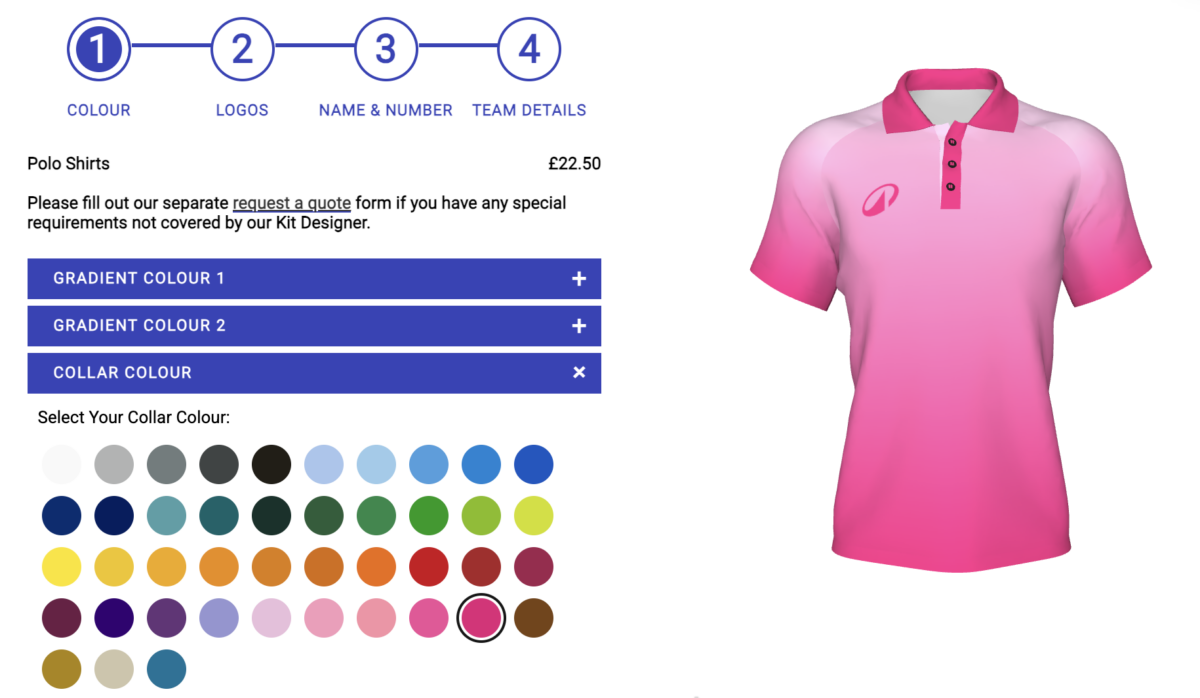
Smart kit design makes fundraising and sponsorship easier. Use Decathlon Club’s online kit designer to leave clean spaces for sponsor logos on front, back or sleeves without compromising your club’s colours. Choose durable, sustainable fabrics so kits last multiple seasons – sustainability is increasingly important to sponsors and families alike, and it frees more budget for facilities and coaching. Create matching merchandise ranges (hoodies, tracksuit tops, beanies) that carry the same design language as the main kit.
Programme sales and local business partnerships
Local businesses want to reach the same community your club serves.
- Create A5 match day programmes with team lists, fixtures, young player photos and a message from the coach.
- Sell advertising space to local trades (plumbers, cafés, garages) at set rates per season.
- Bundle packages: logo on training bibs + programme ad + social media shout-outs for an annual fee.
- Approach businesses with real numbers: average home attendance, number of youth players and families reached each week.
A single main sponsor covering printing costs means every programme sold is pure profit.
Building long-term relationships with sponsors
Sponsorship works best as a partnership, not a one-off donation. Invite sponsors to key events like your awards night, five-a-side tournament and charity matches. Share photos of players wearing kits with sponsor logos and tag the business on social media. Send a brief end-of-season report: “Your support funded indoor winter training sessions from January to March.” Well-run sponsorships make it easier to renew deals and grow support each season.
Tips to Make Every Football Fundraiser a Success
- Core formula: clear goal + community moment + easy ways to give and share. Every successful fundraiser has all three.
- Start small and repeat what works. Refine the same five-a-side tournament or quiz night each year rather than reinventing the wheel.
- Avoid fundraiser fatigue by spacing events across the season. Mix big events with “always on” income like online donations and merchandise.
- Thank supporters publicly. Social posts, emails and announcements showing exactly what was bought – new kits, new goals, extra training sessions – keep the whole community motivated for next time.
Your club exists because of the people around it. Every football fundraiser, whether a raffle at a home game or a 5K through the local park, strengthens that connection. Pick two or three ideas from this list, set your goal, and watch the funds roll in. Then head to Decathlon Club’s kit designer to turn those donations into something the whole club can wear with pride.
Frequently Asked Questions About Football Fundraising
What is the most effective football fundraising idea for a small grassroots club? The most effective approach for a small club is combining a match day refreshments stall (low effort, consistent income) with an online Kit Funder campaign (reaches friends and family who don’t attend games). Together these two income streams can cover most of a kit order within a season.
How much money can a grassroots football club realistically raise? It depends on the method and club size, but typical returns are: match day refreshments £40–£60 profit per game, a five-a-side tournament £400–£1,200, a fun run or 5K £1,000–£2,000, and a quiz night £150–£500. A club running three to four events per season plus ongoing merchandise sales can realistically raise £3,000–£6,000 annually.
How can our football club take advantage of the World Cup for fundraising? The FIFA World Cup 2026 is an ideal backdrop for a sweepstake (£2–£5 per entry across 48 nations), a watch party screening with entry fees and a raffle, or a “predict the score” weekly competition. Timing a kit launch or crowdfunding campaign during the tournament also benefits from elevated football interest.
How do we find sponsors for our football club? Start with businesses whose customers overlap with your club community: local trades, cafés, car garages, estate agents. Approach them with a sponsorship pack showing your average home attendance, number of youth players and social media reach. Offer tiered packages (kit sponsor, programme advertiser, training bib sponsor) so businesses of different sizes can participate.
Ready to put those funds to work? Design your next kit at Decathlon Club’s kit builder and request a quote today.